
Today, anyone searching for information about aesthetic procedures is exposed to an overwhelming amount of opinions, viral videos, sensational headlines, and misleading beliefs. Myths of plastic surgery are everywhere—in social media, forums, and blogs that often lack medical accuracy. At the Clinic of Dr. Brianda, we believe that an informed patient is a safe patient. This is why we debunk the most common myths using real, evidence-based medical information adapted to the Spanish healthcare system.
If you are considering any type of cosmetic or reconstructive procedure, this article will help you distinguish fact from fiction and understand what plastic surgery truly entails.
Myth 1: “All aesthetic doctors are real plastic surgeons”
This is one of the most widespread—and dangerous—myths of plastic surgery. The truth is that not all doctors who perform aesthetic procedures are plastic surgeons. In Spain, there is only one official medical specialty recognized by the Ministry of Health: Plastic, Reconstructive and Aesthetic Surgery.
Any doctor, after completing a private course or master’s degree, can call themselves an “aesthetic doctor” without having undergone the rigorous surgical training required to safely perform complex procedures. This is why verifying that your surgeon belongs to one of the two official professional societies is essential:
- SECPRE – Spanish Society of Plastic, Reconstructive and Aesthetic Surgery
- AECEP – Spanish Association of Aesthetic Plastic Surgery
Both guarantee that the surgeon has completed an accredited, highly competitive residency in plastic surgery.
Myth 2: “All plastic surgery certifications are equivalent”
Another of the common plastic surgery myths is believing that any course, certificate, or subspecialty title equals official training. However, a certified plastic surgeon undergoes 6 to 9 years of hospital-based surgical training, mastering both aesthetic and reconstructive procedures of the face and body.
Terms such as “breast specialist,” “facial plastic surgeon,” or “oculoplastic surgeon” are often used, but none of them are official medical specialties in Spain. They usually refer to partial trainings or complementary courses—not equivalent to the full MIR residency.
Understanding these differences helps patients make safer and more informed decisions.
Myth 3: “Plastic surgery is only about aesthetics”
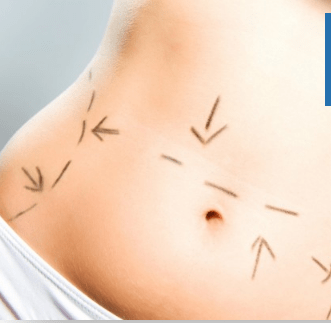
Plastic surgery goes far beyond aesthetics. In fact, the specialty is officially named Plastic, Aesthetic and Reconstructive Surgery, reflecting its dual mission: restoring both function and form.
Procedures such as breast reconstruction, correction of congenital malformations, scar revision, or post-weight-loss body contouring significantly improve quality of life. Even many aesthetic procedures have a direct positive impact on emotional well-being, self-confidence, and overall health.
For this reason, before any surgery, it is essential that the patient expresses their expectations and objectives clearly to allow the surgeon to design a safe and realistic treatment plan.
Myth 4: “Only plastic surgeons perform cosmetic procedures”
The truth is surprising: any doctor licensed in Medicine can call themselves a ‘cosmetic surgeon’, even without official plastic surgery training. Some “aesthetic doctors” perform procedures as delicate as liposuction, eyelid surgery, or rhinoplasty—without the required surgical background.
This is why verifying the surgeon’s credentials is crucial. You should always confirm:
- official specialty in Plastic, Reconstructive and Aesthetic Surgery
- years of experience
- membership in SECPRE or AECEP
- real, verifiable surgical results
Choosing a certified plastic surgeon is the best way to ensure safety and achieve natural, satisfactory outcomes.
Myth 5: “All plastic surgeries are performed in accredited surgical centers”
Unfortunately, this is not always the case. Although all aesthetic procedures should be performed in accredited facilities, some clinics and private hospitals still allow non-specialists to perform plastic surgeries.
It would be the equivalent of a gynecologist performing brain surgery—technically possible, but completely inappropriate and risky.
To protect your safety, make sure that:
- the surgical center is certified and authorized by health authorities
- the surgeon has valid medical licensing and liability insurance
- your surgery takes place in a properly equipped operating room
- a certified anesthesia team is present
A regulated and properly equipped environment greatly reduces complications.
Myth 6: “It’s disrespectful to ask a plastic surgeon difficult questions”
This is one of the most unfounded plastic surgery myths. In reality, a good plastic surgeon appreciates informed patients. Asking about experience, qualifications, before-and-after results, or potential complications is not only acceptable but strongly encouraged.
At the Clinic of Dr. Brianda, we welcome all questions. Understanding every step of the process reduces anxiety, improves recovery, and fosters trust. Requesting credentials or reviewing past results is your right as a patient—and a sign of responsibility.
Accurate information is the key to safe decision-making
Myths of plastic surgery can create fear, confusion, and misguided decisions. In a field where health, aesthetics, and emotional well-being intersect, relying on accurate, professional medical information is essential.
At our clinic, we work with transparency, official medical training, and patient-centered care to guide you through every stage of your treatment. Our goal is to help you make safe, informed, and confidence-building decisions.
If you would like personalised advice or are considering an aesthetic or reconstructive procedure, we are here to help.