Mastopexy, also known as a breast lift, is one of the most requested procedures among women who want to restore the shape, firmness, and natural position of their breasts. Whether due to pregnancy, breastfeeding, weight loss, or simply the natural aging process, it’s common for the breasts to lose volume and become ptotic (droopy). At the Clinic of Dr. Brianda, we offer fully personalized guidance to help you achieve a more youthful, harmonious, and natural-looking result.
Below, you’ll find a detailed guide to understanding what a mastopexy is, when it is combined with a breast augmentation, what the recovery process is like, the types of scars involved, and the essential care needed to ensure an optimal outcome.
What Exactly Is Mastopexy?
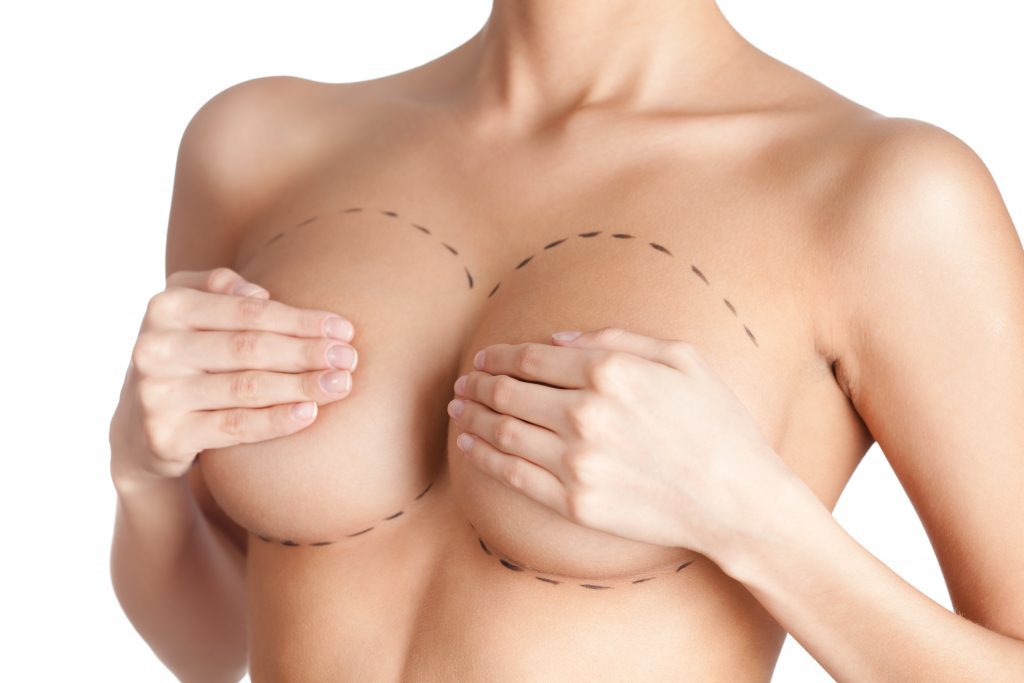
Mastopexy is a surgical procedure designed to elevate and reshape breasts that have lost their natural form or position. This surgery restores firmness, repositions the breast tissue, and can also correct nipple position when necessary. Unlike a breast augmentation, the primary goal of mastopexy is not to increase breast size but to improve shape, position, and firmness.
The most common reasons women seek a breast lift include:
- Changes after pregnancy and breastfeeding.
- Significant weight loss.
- Constitutional or hormonal factors.
- Gradual loss of skin elasticity due to aging.
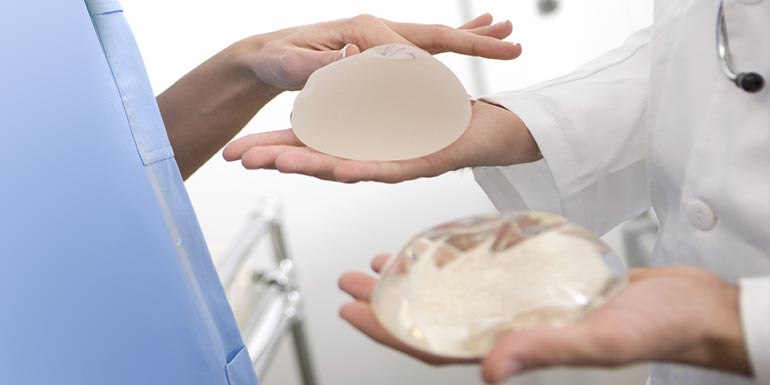
In many cases—especially when the breasts have lost both firmness and volume—mastopexy can be combined with breast implants to restore fullness in the upper pole and enhance the final result.
Is Breast Size Increased During a Mastopexy?
Mastopexy can be performed with or without breast implants. This is a key detail to understand:
Mastopexy Without Implants
When performed without implants, the procedure lifts and reshapes the existing breast tissue. It is ideal for patients who are happy with their breast volume but want to regain firmness and a more youthful contour.
Mastopexy With Implants (Breast Lift + Breast Augmentation)
If there is also a noticeable loss of volume, particularly in the upper breast pole, implants are recommended. Implants help achieve:
- More fullness in the upper breast area.
- A more defined and youthful neckline.
- Greater customization of the final aesthetic outcome.
The combination of mastopexy and breast augmentation is one of the most popular requests among women seeking a complete aesthetic improvement—firmer, lifted, and more shapely breasts.
What Is the Postoperative Period Like?
The recovery process is one of the most common concerns. Generally, the postoperative period is well tolerated and allows for a relatively quick return to daily life.
First 24 Hours
- The patient usually wakes up with a drain on each side and a compressive bandage.
- Pain is minimal in mastopexies without implants; when implants are added, some pressure or tightness may be felt.
After the first night in the hospital:
- Drains and bandages are removed.
- A sports bra is placed and must be worn day and night for 6 weeks.
- No stitches need to be removed since all sutures are internal and absorbable.
First Week
- The patient may shower from the first day.
- Daily application of antiseptic is recommended.
- Light activities can be resumed after 5 days of relative rest.
- No heavy lifting or arm-strength activities are allowed.
- Washing and drying the hair is permitted and helps maintain shoulder mobility.
Driving
Driving is the most controversial activity—not because the act itself is harmful, but due to the potential risk posed by the seatbelt in the event of an accident.
What Scars Result From Mastopexy and How Can They Be Minimized?
The type of scars depends on the chosen technique and the degree of breast ptosis.
Common Scars
- Around the areola.
- A vertical scar from the areola to the breast fold.
- Occasionally, a short horizontal scar in the inframammary fold.
It is uncommon to perform only a periareolar incision, as it can distort the breast shape and flatten the projection. The chosen pattern always depends on each patient’s anatomy and goals.
Normal Scar Evolution
- 0 to 6 weeks: thin and barely visible.
- 6 weeks to 6 months: the most active phase; scars may appear red, raised, or itchy.
- 6 months to 1 year: scars gradually fade and become nearly imperceptible in patients with normal healing.
Hypertrophic and Keloid Scars
Some patients may develop hypertrophic or keloid scars due to genetic predisposition. These cannot be eliminated completely, but several treatments can improve their appearance.
Treatments to Improve Scars
- Massage with aloe vera or rosehip oil (4 times a day, 10 minutes each).
- Vitamin E application.
- Silicone-based creams (day and night).
- Use of steri-strips or medical tape for several weeks or months.
Is Mastopexy Right for You?
Mastopexy is an excellent option for women who want to restore breast position and firmness. If you are also seeking greater volume, enhanced shape, or a fuller upper pole, combining mastopexy with a breast augmentation offers highly satisfying and transformative results.
At the Clinic of Dr. Brianda, we evaluate each patient individually to recommend the best technique based on your anatomy, expectations, and desired aesthetic results.
Book your consultation today and take the first step toward firmer, beautifully shaped, naturally enhanced breasts.